
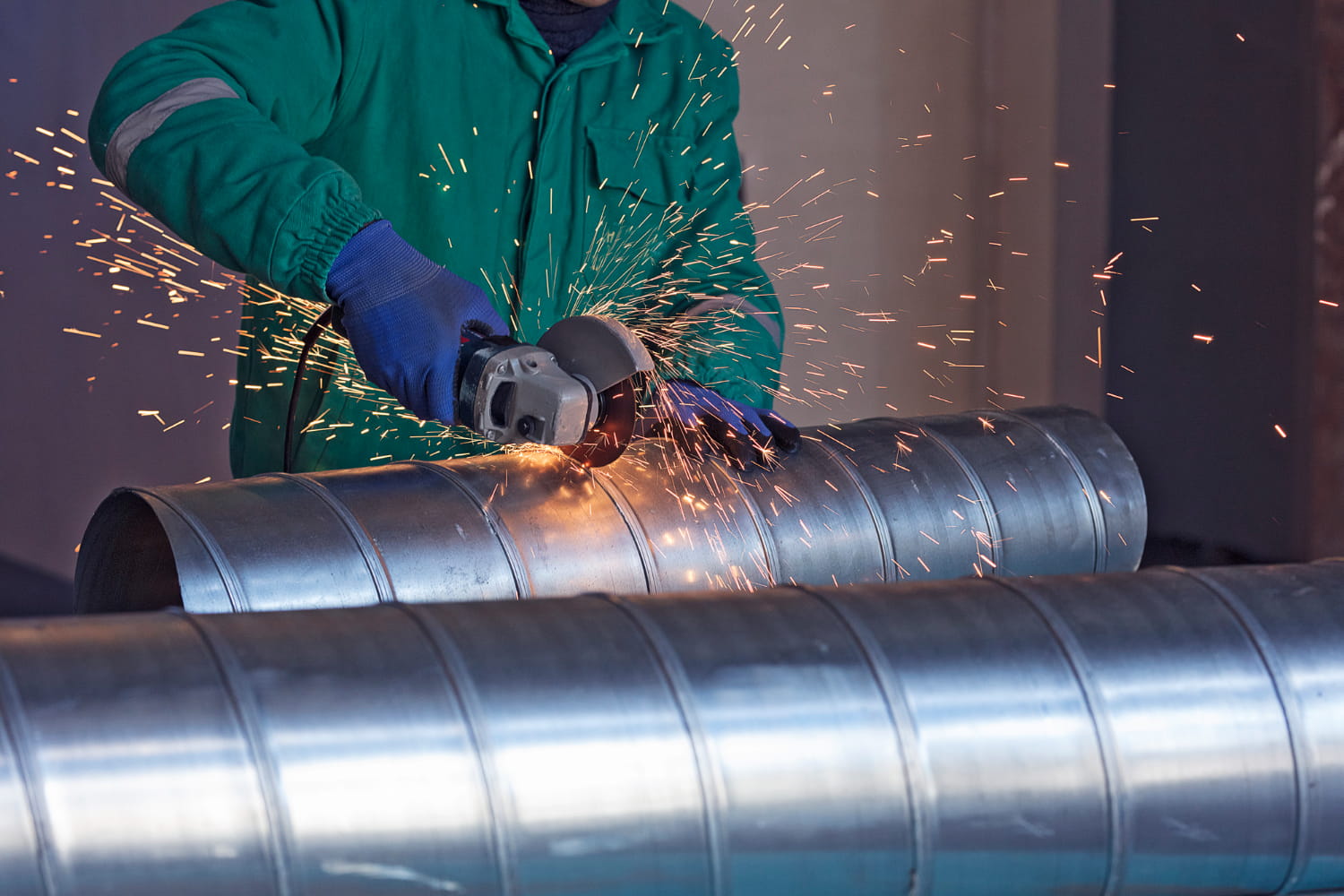
Stainless steel isn’t just strong—it’s chemically stable, hygienic, and visually appealing. In manufacturing, these traits translate into reliability across sectors. From sterile surgical tools to sleek automotive trims, stainless steel’s resistance to corrosion and staining makes it indispensable. But its real value lies in how it’s shaped and assembled—through stainless steel fabrication.
Fabrication as a Design Partner
Fabrication isn’t just about cutting and welding. It’s a design process. Skilled fabricators often work alongside engineers to refine product geometry, reduce weight, and improve load distribution. This collaboration leads to smarter designs that are easier to produce and perform better in the field. It’s not uncommon for a fabricator to spot a flaw in a CAD model that would have cost thousands in rework.
Precision That’s Measured in Microns
Modern manufacturing demands tolerances that are nearly invisible to the naked eye. Stainless steel fabrication now incorporates laser cutting, robotic welding, and CNC bending—all of which deliver repeatable precision. In aerospace and medical sectors, where a misalignment of 0.1mm can cause failure, this level of control isn’t optional—it’s essential.
Fabrication Enables Clean Manufacturing
Cleanrooms, food processing lines, and pharmaceutical labs all rely on stainless steel not just for its hygiene but for how it’s fabricated. Welds must be smooth, corners rounded, and surfaces polished to prevent microbial growth. Fabricators use orbital welding and passivation techniques to meet these standards. It’s not just about compliance—it’s about protecting lives.
Sustainability Is Built In
Unlike many materials, stainless steel doesn’t degrade when recycled. Fabricators routinely collect offcuts and scrap, sending them back into the supply chain. This circularity reduces environmental impact and lowers material costs. Manufacturers looking to meet ESG goals often choose stainless steel for this reason alone.
Fabrication Fuels Innovation
The rise of additive manufacturing—3D printing with metal powders—has opened new doors. Complex lattice structures, once impossible to machine, are now fabricated with stainless steel. This is especially useful in heat exchangers and lightweight structural components. A forward-thinking metals fabrication company will already be integrating these techniques into its workflow.
Smart Manufacturing Is the New Standard
Fabricators are no longer just metalworkers—they’re data analysts. Sensors track temperature, pressure, and weld integrity in real time. This data feeds into predictive maintenance models and quality assurance systems. The result? Fewer defects, faster production, and better traceability.
Fabrication as a Competitive Edge
In a crowded marketplace, product quality alone isn’t enough. Speed, consistency, and adaptability matter. Stainless steel fabrication allows manufacturers to prototype quickly, iterate designs, and scale production without compromising standards. It’s not just a service—it’s a strategic advantage.
In conclusion, stainless steel fabrication is no longer a back-end process—it’s a front-line contributor to innovation, sustainability, and precision in manufacturing. Companies that understand its potential are already ahead of the curve.