
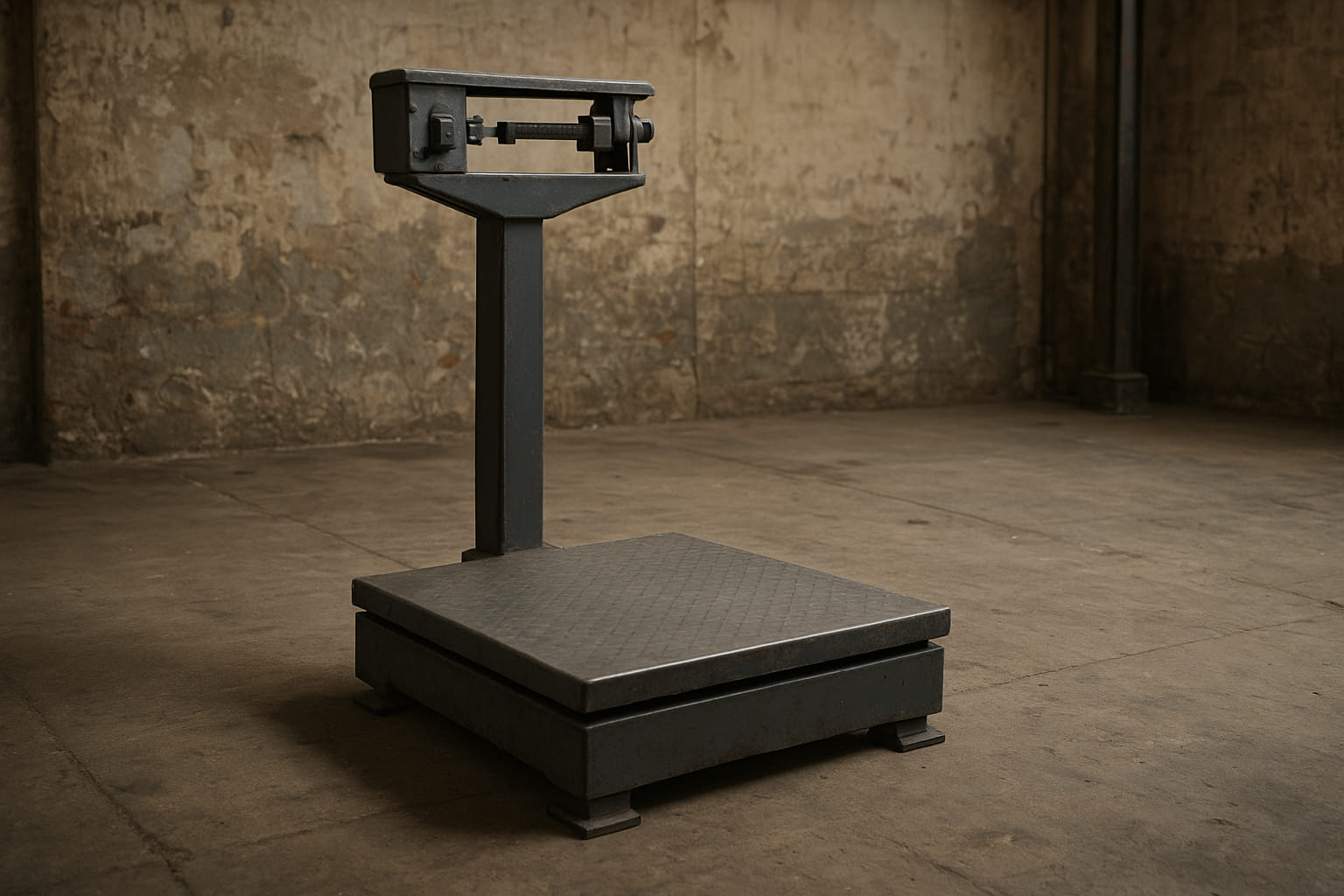
In the industrial sector, accurate weight measurement is essential for ensuring efficiency, safety, and compliance. Whether it’s for shipping, production, or quality control, having reliable industrial weight scales can significantly impact a facility’s operations.
Why Accuracy Matters
Industrial weight scales are used to measure a wide range of items, including raw materials, finished products, and the contents of containers and packaging. The accuracy of these scales directly affects business operations, from supply chain efficiency to regulatory compliance. A small deviation in measurements can result in costly mistakes, such as incorrect shipping weights, inaccurate inventory counts, or, worst of all, safety risks.
For example, a 5-pound error in the weight of chemicals used in production could lead to faulty products, operational delays, or even hazardous situations. Inaccurate scales can also result in fines or penalties from regulatory bodies for non-compliance with industry standards.
Types of Industrial Weight Scales
There are several types of industrial weight scales designed to handle the specific needs of various industries:
-
Platform Scales:
These are large, heavy-duty scales used in warehouses or factories to weigh heavy goods. They’re ideal for measuring bulk items or large shipments.
-
Bench Scales:
Used in smaller settings, bench scales are perfect for measuring medium to small items. They’re often found in quality control labs or food production lines.
-
Floor Scales:
Designed to weigh large, bulky items, floor scales provide high accuracy and can accommodate heavy loads. These are used for products that require precise weight measurements before transport or storage.
-
Pallet Scales:
Integrated into pallet jacks or forklifts, these scales are great for weighing loads while being moved around the facility. This allows for quick and easy weight checks without stopping operations.
Each type of industrial scale is crucial for ensuring that products meet the required standards and specifications before they reach the customer.
How to Maintain Industrial Scales
Maintaining industrial weight scales is just as important as having accurate ones. Over time, scales can lose calibration due to environmental factors, wear and tear, or changes in temperature. Regular maintenance and calibration are necessary to keep the scales functioning correctly and to maintain compliance with industry regulations.
A routine maintenance schedule should include regular checks for calibration, cleaning, and any needed repairs. This helps prevent the possibility of faulty readings and minimizes downtime, which could disrupt the workflow and impact your bottom line.
Built for Precision
At BizAutom, we offer a wide range of industrial weight scales that meet the needs of various sectors. Our scales are designed to provide precision, reliability, and durability in demanding environments. From platform scales to pallet scales, our products are built to withstand the rigors of heavy-duty usage while delivering accurate readings every time.
Our industrial scales are backed by certified calibration and come with comprehensive maintenance support to ensure consistent performance. With BizAutom, you can be sure that your weighing processes will run smoothly, safely, and efficiently.
Conclusion
Investing in high-quality industrial weight scales is a critical step for businesses that rely on accurate measurements. From improving operational efficiency to ensuring safety and compliance, accurate scales are essential for success in the industrial sector. With BizAutom’s industrial scales, you can trust that you’re getting the best in precision, performance, and durability.