
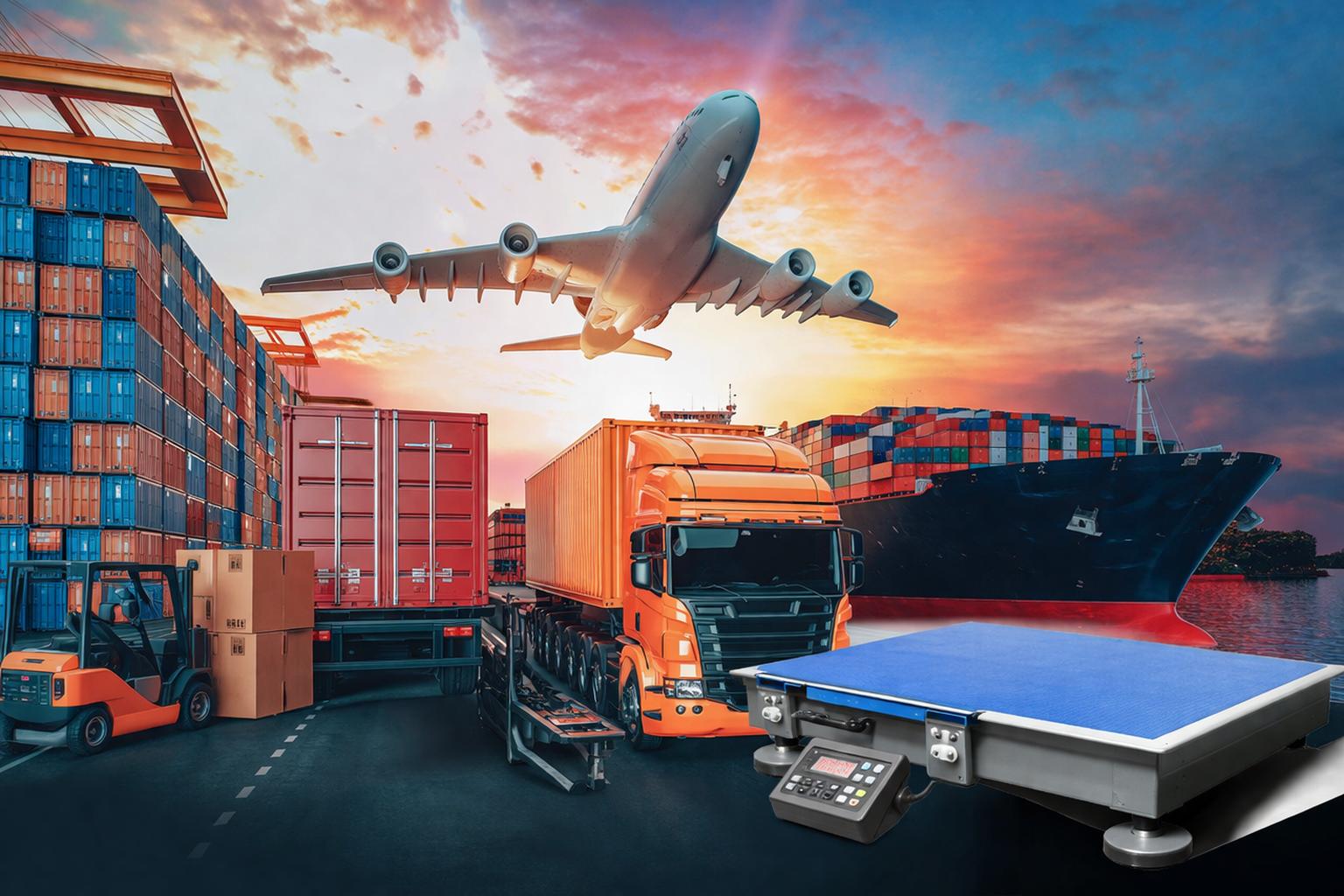
In industrial settings where precision meets durability, having the right equipment can make or break your operations. Heavy-duty weighing scales are the backbone of countless industries, from manufacturing and shipping to agriculture and construction. These robust instruments are designed to handle extreme weights while maintaining accuracy under the toughest conditions.
What Makes a Scale “Heavy Duty”?
Unlike standard scales you’d find in a retail shop, heavy-duty weighing scales are engineered for industrial environments. They’re built with reinforced steel, high-capacity load cells, and protective features that allow them to withstand harsh conditions including extreme temperatures, moisture, dust, and constant heavy use.
These scales typically handle capacities ranging from 500 pounds to over 100,000 pounds, depending on your specific needs. Whether you’re weighing pallets, vehicles, livestock, or bulk materials, there’s a heavy-duty scale designed for your application.
Industries That Depend on Heavy Duty Scales
Manufacturing: Quality control and inventory management require precise measurements of raw materials and finished products.
Shipping and Logistics: Accurate weight data is crucial for freight calculations, compliance with transportation regulations, and avoiding costly overweight penalties.
Agriculture: Farmers and ranchers use heavy-duty scales for weighing livestock, produce, feed, and harvested crops.
Recycling and Waste Management: Tracking incoming and outgoing materials by weight helps optimize operations and billing.
Construction: Weighing materials ensures proper mixture ratios and helps manage inventory on job sites.
Key Features to Look For
When investing in heavy-duty weighing scales, consider these essential features:
- Load Capacity: Choose a scale that exceeds your maximum weighing requirements by at least 20% for safety and longevity.
- Platform Size: Ensure the weighing surface is large enough to accommodate your largest items safely.
- Accuracy: Look for scales with high precision even at maximum capacity.
- Durability: Stainless steel or powder-coated steel construction resists corrosion and damage.
- Portability: Some models include wheels or forklift pockets for easy relocation.
- Digital Displays: Large, easy-to-read displays that are visible from a distance improve efficiency.
- Connectivity Options: Modern scales often include data output capabilities for integration with inventory management systems.
Maintenance Tips for Longevity
Protect your investment with proper care:
- Regularly calibrate your scale according to the manufacturer’s recommendations
- Keep the platform clean and free from debris
- Protect load cells from impact damage
- Store in dry conditions when possible
- Schedule professional inspections annually
Calculating Your ROI
While heavy-duty weighing scales represent a significant investment, they pay for themselves through improved accuracy, reduced waste, better inventory control, and compliance with industry regulations. Inaccurate measurements can lead to costly errors, from shipping overcharges to production waste.
Quality scales also last for years with minimal maintenance, making them a one-time investment rather than a recurring expense.
Making the Right Choice
Selecting the perfect heavy-duty weighing scale depends on your specific operational needs. Consider your environment, maximum weight requirements, and desired features. Don’t hesitate to consult with scale experts who can guide you toward the best solution for your business.
Investing in reliable, accurate heavy-duty weighing equipment isn’t just about compliance; it’s about building a foundation for operational excellence.