
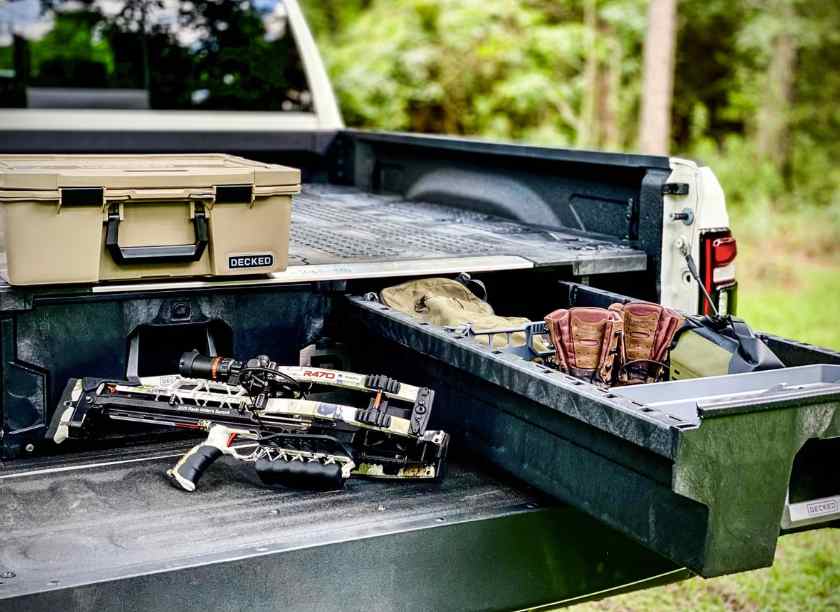
For mobile contractors, field technicians, and trade professionals, a work truck function serves as a rolling office and a primary job site warehouse. Transporting an extensive array of expensive power tools, diagnostic equipment, and specialized hand tools requires more than just piling items loose inside an open truck bed. Leaving gear unsecured exposes your valuable equipment to heavy rain damage, shifting structural impacts while driving, and opportunistic theft. To establish a highly secure, productive mobile workspace, investing in a rugged, weather-sealed storage configuration is an absolute necessity.
Standard, thin-gauge consumer storage boxes often fail under the punishing demands of daily commercial use, developing leaky lid seals and loose, easily bypassed locking mechanisms over time. True field reliability requires commercial-grade storage solutions engineered with heavy-duty structural reinforcement and advanced security hardware. Utilizing premium storage vaults and vehicle enclosures from specialized manufacturing networks like FRDM Fabs ensures your tool inventory remains perfectly dry, organized, and completely secure from theft. Setting up an organized, systematic gear layout slashes wasted tool-retrieval times on the job site and protects your financial tool investments for years to come.
1. Selecting the Ideal Box Configuration for Your Truck Layout
Truck toolboxes are manufactured in a wide variety of structural shapes and mounting styles. Choosing the right design requires analyzing how you use your truck bed daily and what type of tools you need to access most frequently.
Consider how these common physical configurations solve specific job site storage challenges:
Classic Cross-Bed Boxes (Saddle Boxes)
Saddle boxes are the most common style found on work trucks. They mount across the front of the truck bed, resting directly on the side rails without touching the actual bed floor. This elevated design leaves the full length of your truck bed floor completely clear, allowing you to slide in long sheets of plywood, drywall, or dimensional lumber underneath the storage box without restriction.
High-Capacity Side-Mount and High-Side Boxes
Side-mount boxes run parallel to the truck bedsides, sitting flush along the left or right rail. High-side boxes extend upwards past the bedside line, featuring drop-down front doors. These units are highly favored by mechanics and service technicians because they allow you to open the tool cabinets and retrieve equipment while standing safely on the ground outside the vehicle, eliminating the need to climb over the tailgate constantly.
2. Material Durability Factors: Heavy-Gauge Aluminum vs. Reinforced Steel
The material used to construct a commercial tool vault directly impacts the total weight of your vehicle setup, its long-term resistance to harsh weather, and its ability to withstand forced entry.
Aluminum Storage Box → High strength-to-weight ratio, natural rust resistance, fuel efficient.
Reinforced Steel Box → Maximum impact resistance, heavy-duty theft deterrent, heavier footprint.
Industrial Diamond-Plate Aluminum
Aluminum is the leading material choice for modern commercial vehicle storage. It is incredibly lightweight, meaning that adding multiple large boxes to your truck bed won’t significantly drain your fuel economy or overload your suspension. Aluminum naturally forms a protective oxide layer that completely resists rust, making it an exceptional option for trucks operating in humid coastal regions or areas that utilize corrosive road salts during winter storms.
Heavy-Duty Fabricated Steel
Steel storage boxes represent the ultimate standard in absolute security and impact resistance. Fabricated from thick, high-tensile steel sheets and finished with a durable powder coating, these vaults are designed to endure severe beatings on heavy industrial construction sites. A steel box is nearly impossible to puncture or pry open with manual hand tools, making it the premier choice for tradespeople who store high-value diagnostic machinery or welding equipment in high-risk areas.
3. Essential Engineering Features That Define a High-Quality Box
When evaluating a new vehicle storage enclosure, looking past external dimensions and focusing closely on specific manufacturing details ensures the unit can handle years of field abuse:
- Continuous Weather Stripping Seals: Inspect the inner lip of the box lid. A premium box must incorporate a automotive-grade, hollow bulb rubber gasket that compresses tightly when the lid is latched shut. This continuous seal prevents pressurized highway rainwater and fine road dust from penetrating the internal storage space.
- Gas-Assist Lift Struts: Heavy-duty tool lids should be equipped with dual gas-pressurized assist shocks. These struts automatically lift the lid completely open with a simple pull of the handle and prevent the heavy metal panel from slamming down unexpectedly on your fingers while you are reaching inside for gear.
- Stainless Steel T-Handle Slam Latches: Cheap push-button locks are highly vulnerable to prying. Look for boxes utilizing recessed, stainless steel T-handle or paddle latches connected to a robust internal rotary locking mechanism. This style mimics a car door latch, closing securely when slammed shut and resisting forced entry attempts.
4. Maximizing Efficiency with Structured Interior Organization
Simply tossing all your tools loose into a large metal box creates a chaotic, unorganized workspace where tools constantly bang together and get damaged during transit. Use these three systematic layout principles to optimize your storage space:
- Group Tools by Task Frequency: Place your primary daily-use tools—like impact drivers, tape measures, and socket sets—in easily accessible upper removable trays or front drawers so you can grab them instantly.
- Utilize Vertical Space with Organizers: Avoid stacking heavy tools directly on top of one another. Use vertical divider slots or modular bins to store smaller items like boxes of fasteners, plumbing fittings, and electrical terminals upright.
- Line Compartments with Protective Foam: Place dense closed-cell foam liners at the bottom of your tool compartments. Foam cushioning absorbs road vibrations, stopping your expensive power tools from sliding around and scratching one another while you drive down bumpy backroads.
Streamlining Your Mobile Operations for the Future
Upgrading your work truck with a commercial-grade, professionally organized toolbox system completely changes your daily operational efficiency. By selecting a box configuration that maximizes your usable bed space, opting for a material that balances structural strength with weight limits, and prioritizing secure locking mechanisms, you transform your vehicle into a highly reliable mobile service hub. Taking the time to properly mount, seal, and arrange your equipment inventory protects your expensive investments, ensures you always have the right tool ready for the job, and projects a highly capable, professional image to your clients on every single service call.